
In this guide
Water filters and water softeners look alike and both "treat" water, but they solve different problems. Here's the difference, and how to know which one you need.
What's in your water?
City water is treated to be safe, but it can still carry chlorine or chloramine, hardness minerals, and, in older homes, lead from pipes. Well water can add iron, manganese, sulphur and bacteria.
What is a water filter?
A water filter removes things from your water: chlorine and chloramine (the cause of most taste and smell complaints), sediment, many chemicals and, depending on the filter, some metals. Our whole-home filters work in stages:
- Sediment: a 5-micron filter traps sand and rust
- Carbon: activated coconut carbon removes chlorine, odours and organic chemicals
- KDF: copper-zinc media reduces chlorine and some metals and inhibits bacterial growth in the filter
- Catalytic carbon: removes chloramine and hydrogen sulphide
What is a water softener?
A softener does one job: it removes the calcium and magnesium that make water "hard", by swapping them for sodium on resin beads. Hard water is measured in grains per gallon (gpg); most GTA municipal water is around 7 to 8 gpg, which counts as hard.
Why hard water needs to be addressed
Hard water leaves scale on fixtures and inside appliances, makes soap less effective, dulls laundry and can dry out skin and hair.
Can a softener filter water on its own?
Not really. A softener removes hardness minerals, but it doesn't take out chlorine, chemicals or most contaminants. Softened water isn't any "cleaner" to drink than unsoftened water.
Which is better?
| Water filter | Water softener | |
|---|---|---|
| Removes | Chlorine, chloramine, sediment, odours, some chemicals | Calcium and magnesium (hardness) |
| Fixes | Taste, smell, sediment | Scale, spots, dry skin, appliance wear |
| Best for | Chlorine complaints, sediment | Hard water |
Neither is better. They do different jobs. In the GTA, where water is both hard and chlorinated, many homes need both.
The best of both: the Enhanced Water Softener
Our Enhanced Water Softener combines softening resin and catalytic carbon in one tank, so it removes hardness, chlorine and chloramine together. Unsure what your water needs? A free water test gives you a clear answer.
Questions
Do I need a water filter or a water softener?
If your problem is taste, smell or chlorine, you need a filter. If it's scale, spots or dry skin, you need a softener. Many GTA homes have both problems.
Is softened water safe to drink?
Yes. It contains a small amount of added sodium. For the best drinking water, add reverse osmosis at the kitchen sink.
Systems mentioned in this guide

Enhanced Water Softener
Softens hard water and removes chlorine and chloramine in one system.
See Enhanced Water Softener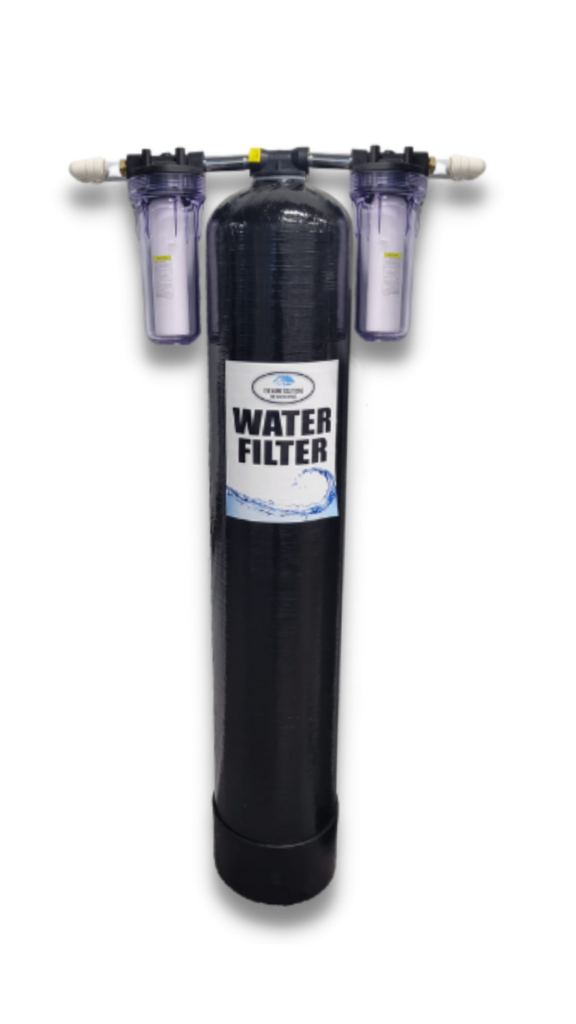
ClearBlu Plus
Filters every tap and shower: chlorine, chloramine, sediment, taste and odour.
See ClearBlu Plus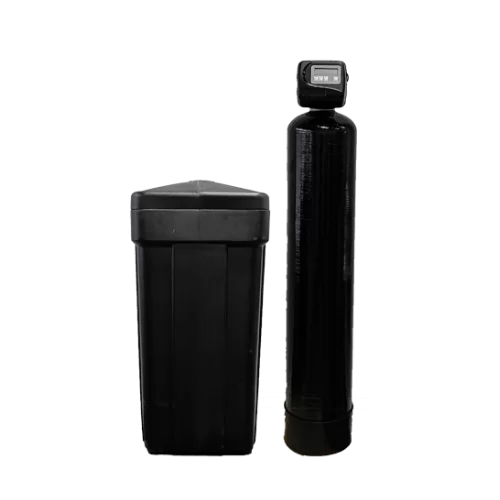
SoftBlu Water Softener
High-capacity softener that stops scale on fixtures, kettles and appliances.
See SoftBlu Water Softener