In this guide
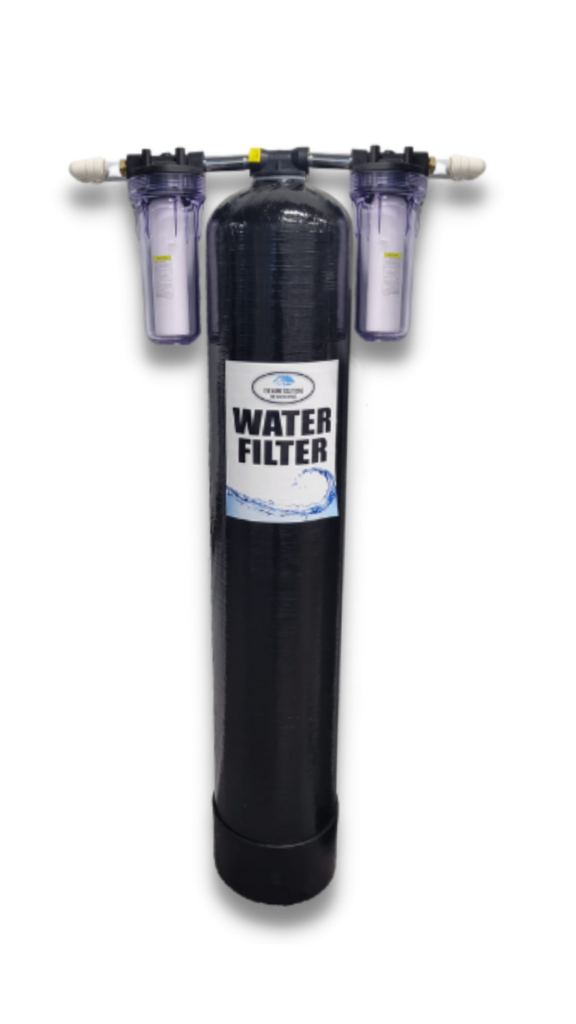
A sediment filter catches sand, rust and silt before they reach your fixtures and other filters. As it fills up, water flow drops and protection weakens, so the cartridge needs replacing, usually every 3 to 6 months.
What you'll need
- The correct replacement cartridge for your filter
- The housing wrench (if your filter came with one)
- Rubber gloves
- A bucket and towels
- Safety glasses
Step by step
- Turn off the water. Close the valve before the filter (or the main shut-off) and open a nearby tap to release pressure.
- Get ready for drips. Put the bucket and towels under the housing, and press the pressure-release button if your housing has one.
- Unscrew the housing. Turn it by hand or with the housing wrench and lower it carefully. It's full of water.
- Remove the old cartridge. Pull it out with a slight twist and bag it for the garbage.
- Clean the housing. Rinse out any sediment and wipe it dry. Check the O-ring for cracks and seat it properly in its groove.
- Insert the new cartridge. Check any flow-direction marks and centre it in the housing.
- Reattach the housing. Hand-tighten until snug. Don't overtighten; that can crack the housing or pinch the O-ring.
- Turn the water back on slowly. Close the tap you opened, open the valve, and check for drips around the housing.
- Flush the system. Run a tap for a few minutes until the water runs clear and stops sputtering.
Keep it on schedule
Mark your calendar for the next change. If your water has a lot of sediment, check more often. EHS customers get filter changes as part of their service plan; contact support to book one.