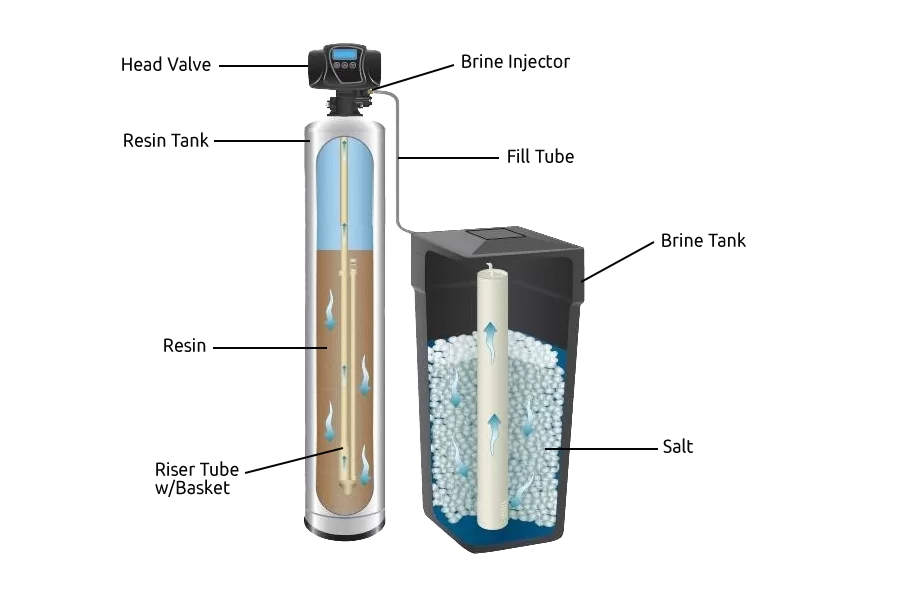
How does a whole home water softener system from Eye Home Solution function?
Water softeners systems filter out hard water minerals as the water passes through the system. Once the hard water minerals have been removed they are exchanged with sodium and potassium ions which add softness to your water , after this exchange the softened water leaves the system and is sent through your home’s plumbing.
Hard water vs. Soft water
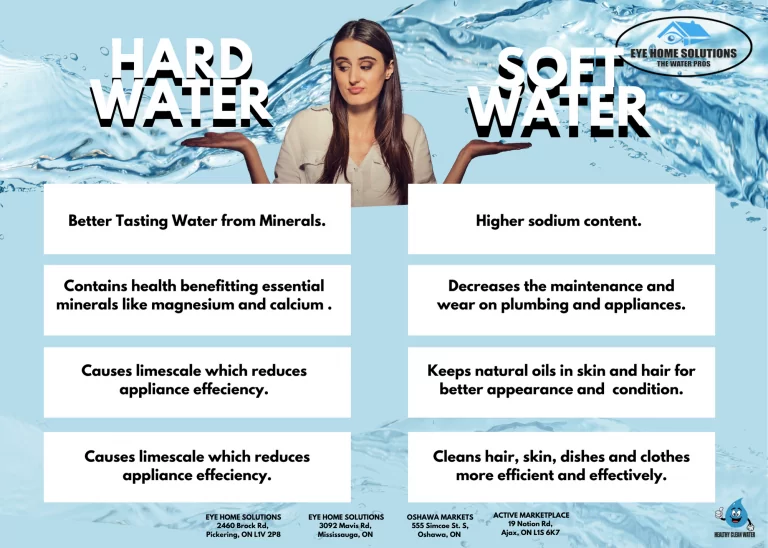
Hard water is water that has an excessive amount of calcium and manganese which can leave a film of residue behind if used to wash your hands, body, dishes or laundry. Also, it wreaks havoc on your home appliances and plumbing system.
Soft water is free from these harsh minerals that cause water hardness which in turn damages your body and home. Softened water happens when calcium and magnesium ions are exchanged with sodium and potassium ions resulting in soft water that is gentle on you and your home as well as your wallet.
Appliances work more efficiently with soft water, therefore, prolonging the life of your washing machines, dishwashers and water heaters.
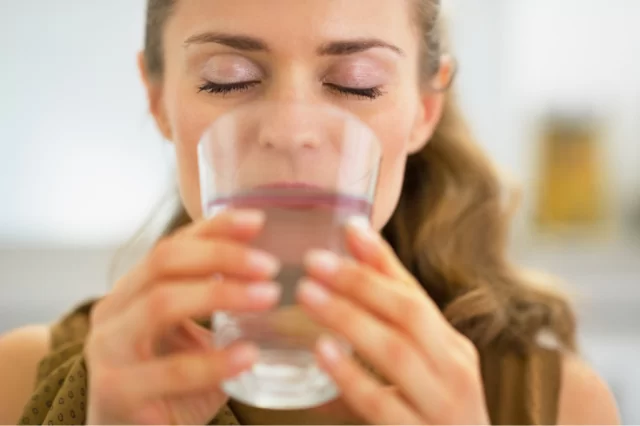
How does hard water affect me directly?
Is soft water safe to drink?
This has been a typical question raised by some of you during our testing visits. Some water softeners, however, employ salt, which may leave tiny quantities of sodium in your drinking water. We can tell you that the salt produced by our softener systems is less than what most people get from their regular diets.
Please remember that water softeners do not prevent pollutants from entering your water supply. In fact, it is our standard practice to inform customers about the advantages of employing a water softener and a combination consisting of one or more water systems.
Installing the reverse osmosis (RO) drinking station under your kitchen sink is an excellent approach to purify your water. This will ensure that you always have clean, long-lasting, and delicious water.
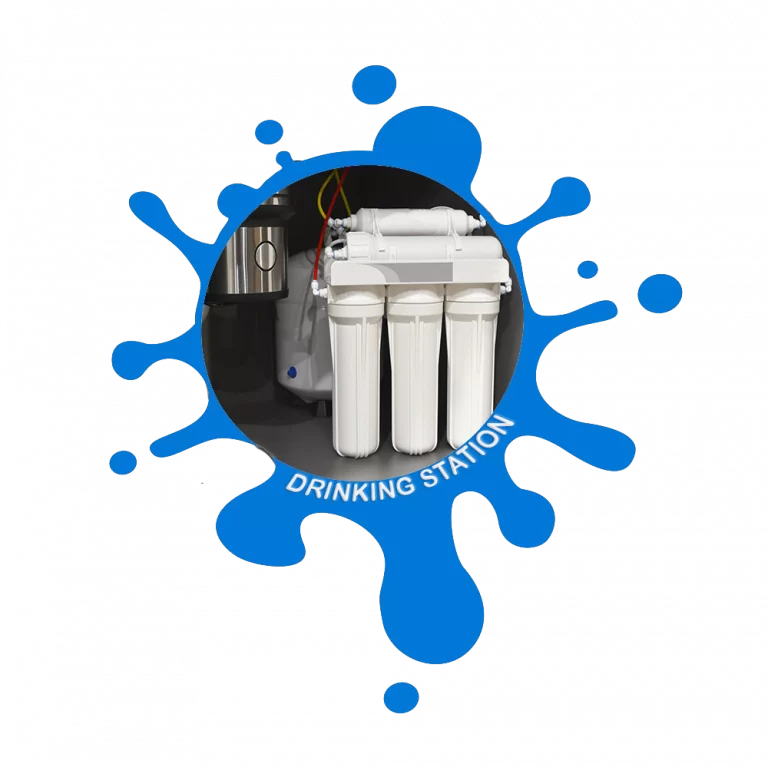
Enjoy the difference a home water softener system can make
A whole home water softener can bring many benefits to you and your home. Removing ions that cause water hardness and replacing them with ions that will provide you with softened water will leave you with glossier hair, softer skin and more efficient home appliances.
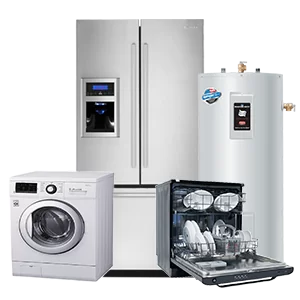
A Water Softener System that Extend the lifespan of your appliances
An Eye Home Solutions Water Softener will prolong the lifespan of all of your appliances that require water. Hard water destroys appliances, leaves filmy soap scum across bathrooms and kitchens, and dries out hair and skin. A water softener will eliminate the accumulation of the corrosion causing minerals in your water supply. You will notice less error messages on your dishwasher, less mechanical breakdowns on your washing machine and over all longer lasting appliances.
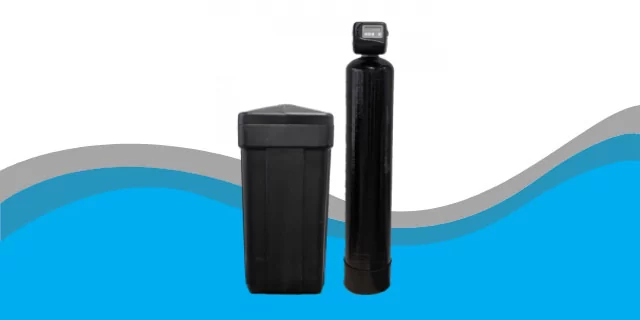 Our Whole Home Water Softener Systems
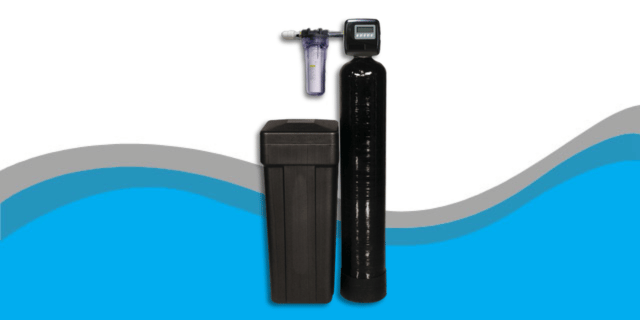 Water Softner
Enhanced Softner
- 24/7 Access to Safe Drinking Water
- Odorless, Better Tasting Drinking Water
- Enjoy Cleaner Skin and Hair
- Eliminates Microorganisms
- Save $$$ on Bottled Water
How does a whole home water softener work?
Hard water carries dissolved calcium and magnesium. Inside a softener, water passes through a tank of resin beads. The beads grab the calcium and magnesium and swap them for sodium or potassium ions. Softened water then flows on to the rest of your plumbing.
When the beads are full, the softener regenerates automatically: it rinses them with brine from the salt tank and flushes the hardness minerals down the drain.
Hard water vs. soft water
Hard water leaves a film of residue when you wash your hands, dishes or laundry, and builds up as scale inside pipes, kettles and water heaters. Soft water rinses clean, needs less soap and detergent, and is gentler on skin, hair and appliances.
How does hard water affect you?
- White scale on taps, shower glass and kettles
- Spots on dishes and glassware
- Dry skin and dull hair after showering
- Dingy laundry and more detergent
- Water heaters, dishwashers and washing machines that wear out sooner
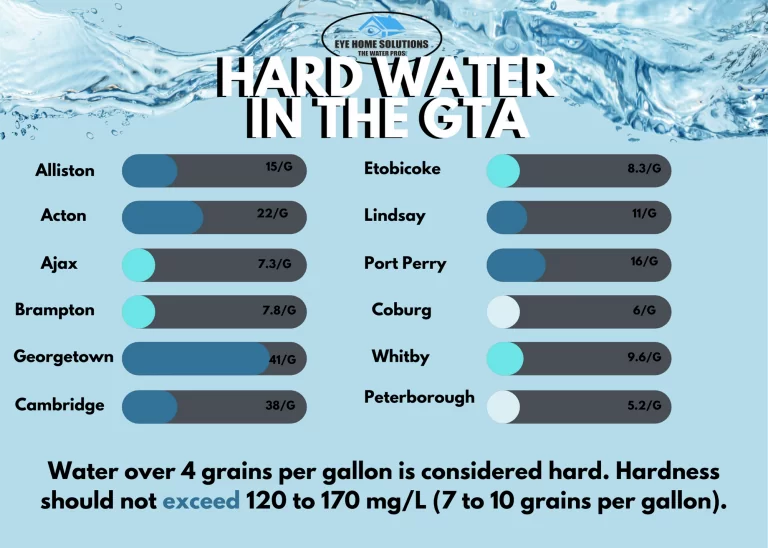
Check how hard your city's water is with our hardness checker.
Is soft water safe to drink?
Yes. A salt-based softener adds a small amount of sodium, much less than most people get from food. If you're on a low-sodium diet, ask us about potassium chloride instead of salt, or pair the softener with a reverse osmosis drinking system at the kitchen sink.
A softener doesn't filter out chlorine or other contaminants. If you want both, the Enhanced Water Softener combines softening and carbon filtration.
A softener helps your appliances last longer
Scale is what kills water heaters, dishwashers and washing machines early. Removing hardness stops scale forming, so you'll see fewer error codes, fewer breakdowns and appliances that run more efficiently.
Our whole home water softener systems
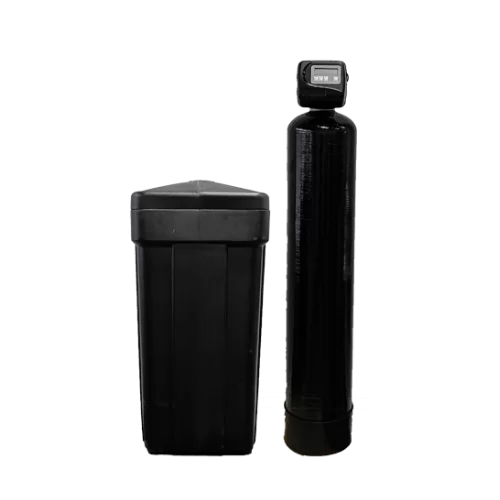
SoftBlu Water Softener
High-capacity softener that stops scale on fixtures, kettles and appliances.
See SoftBlu Water Softener
Enhanced Water Softener
Softens hard water and removes chlorine and chloramine in one system.
See Enhanced Water SoftenerQuestions
How much salt does a softener use?
It depends on your hardness and water use. Most households top up the brine tank every month or two. We set the softener for your test results.
Do I need a softener if I'm on city water?
Most GTA municipal water is 7 to 8 grains per gallon, which is hard enough to cause scale. Whether it's worth it depends on how much the scale bothers you. A free water test shows your actual hardness.
Can I keep one tap unsoftened?
Yes. We can leave an outside hose bib or a kitchen tap on a bypass if you prefer.
Free in-home water test
Find out what's in your water
We test your water at your home, show you what's in it, and recommend the system that fits.
- Free
- About 30 minutes
- No obligation