In this guide
You can't fix a water problem you haven't measured. A water test shows what's in your water, so you can choose treatment that actually solves the problem.
What does a water test look for?
- Chemical contaminants: elements and compounds such as chlorine, nitrates, iron and other metals
- Physical contaminants: sediment, sand and silt
- Biological contaminants: bacteria, viruses and parasites
- Radiological contaminants: naturally occurring radioactive elements, mostly a concern in some wells
A test also measures pH, hardness and total dissolved solids (TDS).
Why these numbers matter
pH
Water with a low pH is acidic and corrosive: it can give a metallic taste, stain fabric and damage pipes. High-pH water can taste bitter and leave residue on fixtures.
Hardness
Hard water dries out skin and hair, leaves scale on fixtures and in appliances, and makes laundry look dingy. Appliances working harder against scale use more energy.
Total dissolved solids
High TDS can affect taste and leave spots on dishes and residue on taps. It's also a quick way to see how well a reverse osmosis system is working.
How water testing is done
Quick colour-change strips for pH or chlorine. Easy, but not very precise.
A reagent changes the sample's colour, compared against a disk. More accurate than strips.
Handheld instruments for pH, TDS and conductivity. Accurate when calibrated and used by a trained technician.
The most complete analysis, and the right choice for bacteria in well water.
For accurate results, samples are taken with clean hands, at the right temperature, from the main tap (usually the kitchen) after running the water for a few minutes.
When should you test your water?
- You're on a private well (test at least once a year)
- You notice scale, stains, cloudiness, a bad taste or a smell
- Someone in the home is pregnant or you have an infant
- Appliances aren't working as well as they should
- You live near a gas station or buried fuel tank
- You're planning to install a water treatment system
City water is tested by your municipality, but it's still worth checking your own tap every few years, especially in an older home.
What's next after testing
The technician explains your results and recommends a treatment plan, if you need one. Book your free in-home water test or call +1 888 701 4686.
Systems mentioned in this guide

Enhanced Water Softener
Softens hard water and removes chlorine and chloramine in one system.
See Enhanced Water Softener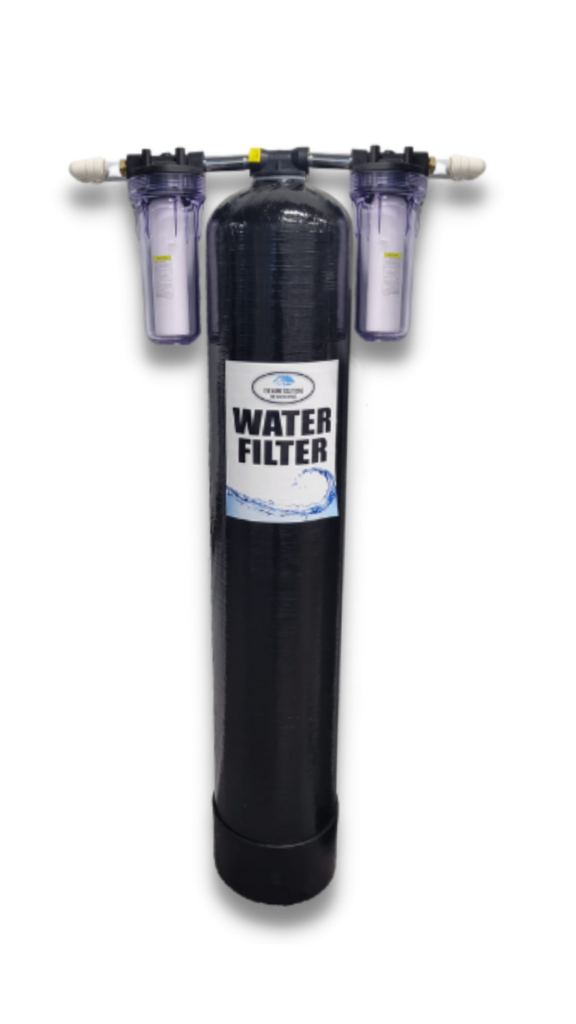
ClearBlu Plus
Filters every tap and shower: chlorine, chloramine, sediment, taste and odour.
See ClearBlu Plus
Iron & Manganese Filter
Birm media removes iron, manganese and the orange or black stains they leave.
See Iron & Manganese Filter